
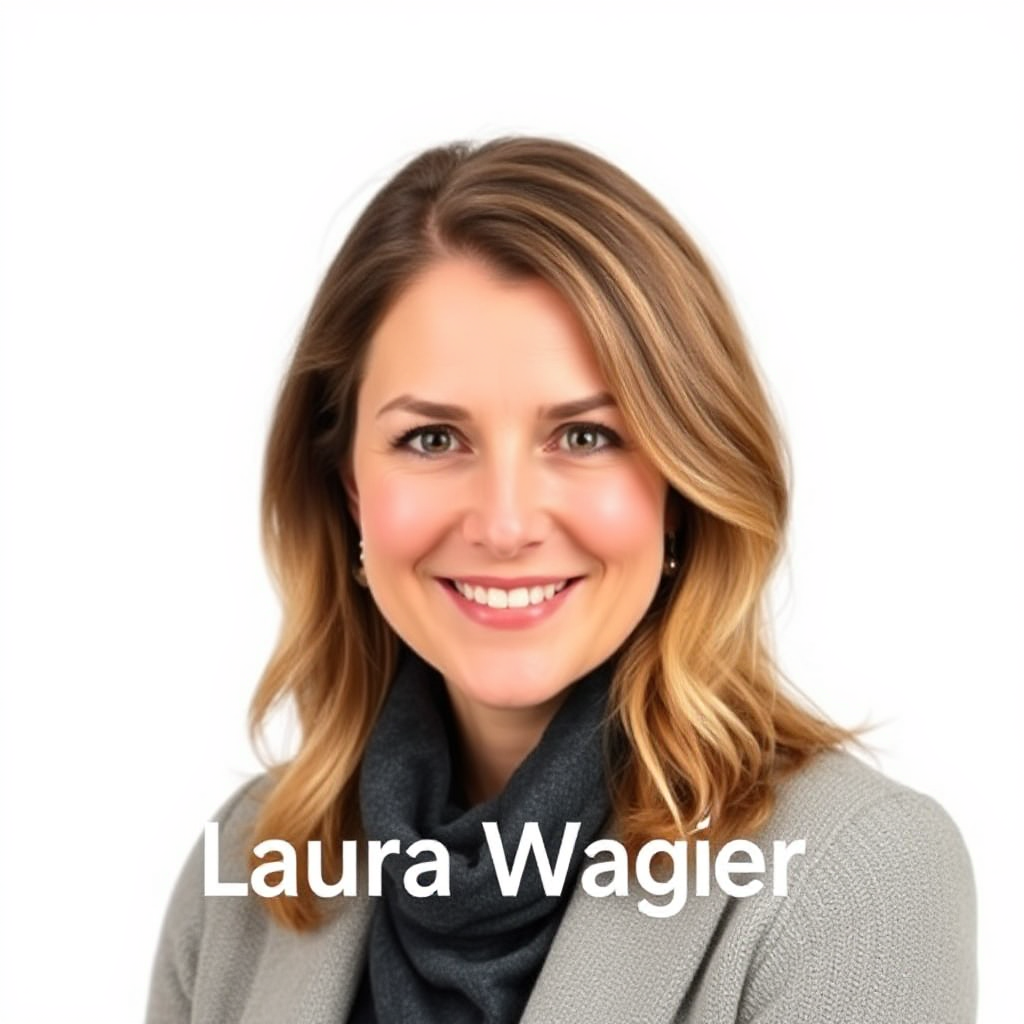
At times, healthcare worker Lorna Grinnell-Moore has the receiver hung up abruptly. Often, she finds herself hearing to various far-fetched conspiracy theories and, on one occasion, she remembers being subjected to abuse.
"It's certain there will be ones like that, who refuse to listen, and it seems as though you haven't succeeded."
But this is all part of the daily work for Lorna. Her role involves calling families whose children have missed out on the measles, mumps, and rubella vaccinations in an effort to convince them to receive the jab. Low vaccination rates mean the disease has been able to spread in the city, mainly among children below the age of ten.
A Proactive Response
Lorna has prior experience - she was a member of a group of NHS workers that placed thirteen thousand calls in just three months after a spike in measles reports in late 2023 involved many pediatric cases. These discussions by themselves led approximately one thousand once reluctant families and youth to opt for vaccination.
In north London, which is in the midst of a rise in measles, authorities are examining strategies from Birmingham for methods to control it. Five dozen cases have been confirmed so far this year, mainly among toddlers, some of whom have been admitted to hospital.
Mobilizing Experience
In the 2023 Birmingham incident, some ex-healthcare workers were returned to service, as occurred previously. This time though, rather than giving injections, they were assigned to encourage people to get them.
Their mission involved placing follow-up calls to parents and patients up to the age of 25 to address the barriers preventing them obtaining the jab against a disease that can have serious consequences - encompassing brain inflammation and vision impairment and, infrequently, death.
Now, Lorna, the clinical lead for immunization services, and a nursing team have been brought on to resume telephone outreach as measles cases rise once more.
Navigating Difficult Conversations
The job is far from simple. It takes a certain kind of approach which combines listening closely and trying to understand the person on the other end.
"Once I get a handle on their point of view, I can then respond to their concerns," explains Lorna. "Occasionally they are receptive, and sometimes they say they are finished talking."
"It's not about being an authoritarian figure."
When individuals are willing to continue the conversation, Lorna is confident she can then ease their apprehensions or doubts about the vaccine and assist in alleviating them.
Guidelines and Assistance
The guideline is a maximum of three contacts. A further protocol discourages message-leaving due to potential confusion. Team members proficient in a number of different languages, like French, Italian, Arabic, or Urdu, can assist in outreach when the primary language isn't English.
Alongside the phone service, the coordinated response unit additionally executes an public awareness drive and engages with community organizations.
Tangible Results
The comprehensive campaign has had a noticeable influence. During 2024, an extra 7,000 vaccinations were carried out – and the complete tally of doses was a fifth higher than the prior period.
Specifically, there had been lower vaccine uptake among particular demographic groups, encompassing Roma, Eastern European, South Asian, and African/Caribbean backgrounds.
Language barriers were addressed by increasing the material available in multiple languages, featuring scannable QR codes connected to video content detailing the advantages, paired with standard public signage.
Local Clinics Take Action
Some local GP services have also started doing their own call-and-recall work. An example is Hall Green Health, which has gone further by scheduling face-to-face meetings to parents who are hesitant so they can address their questions directly with a physician.
"In my view, society has become lax about the genuine dangers of measles," says partner Dr Sonia Ashraf.
She explains that multiple several elements that make people hesitant. The inclusion of porcine gelatine in MMR is one thing they see, but this is relatively easily resolved by offering the version of the jab that is free from gelatine.
Debunked studies from the 1990s wrongly connecting the vaccine to autism also gets brought up, while some parents also worry about the number of routine vaccines offered to children. By the age of four, they will have been scheduled for six vaccination sessions.
"Many families ask the necessity for numerous vaccines or believe their kids are robust enough such illnesses," continues Dr. Ashraf. "We carefully explain the scientific data with them – falsehoods are prevalent out there."
Funding Challenges and Future Outlook
The telephone outreach program has since been made available elsewhere. However, due to limited funding, it is something that can only be done to a restricted degree. In 2025, uptake figures declined again to earlier, lower levels, leaving the city far from reaching the 95 percent target needed for herd immunity.
Although there have been increases in infection, there has been a far smaller count of cases that were seen previously, when confirmed cases exceeded 500.
A public health lead, says the call-and-recall model "works very well" but "not a cure-all" and needs to be integrated with further actions. Optimally, he explains it would be employed more widely but further investment is needed.
The present financial support for the program is scheduled until the conclusion of the current fiscal period.
Countrywide Challenges
The city is not alone to adopt the strategy. A number of other places have experimented with comparable approaches.
But shifting the dial nationally has remained a struggle. Currently, less than eighty-five percent of children have had two doses by the age of five.
"This is a genuine difficulty," says an expert. "The factors behind non-vaccination are complicated and diverse. A point commonly missed is practical availability. For


